










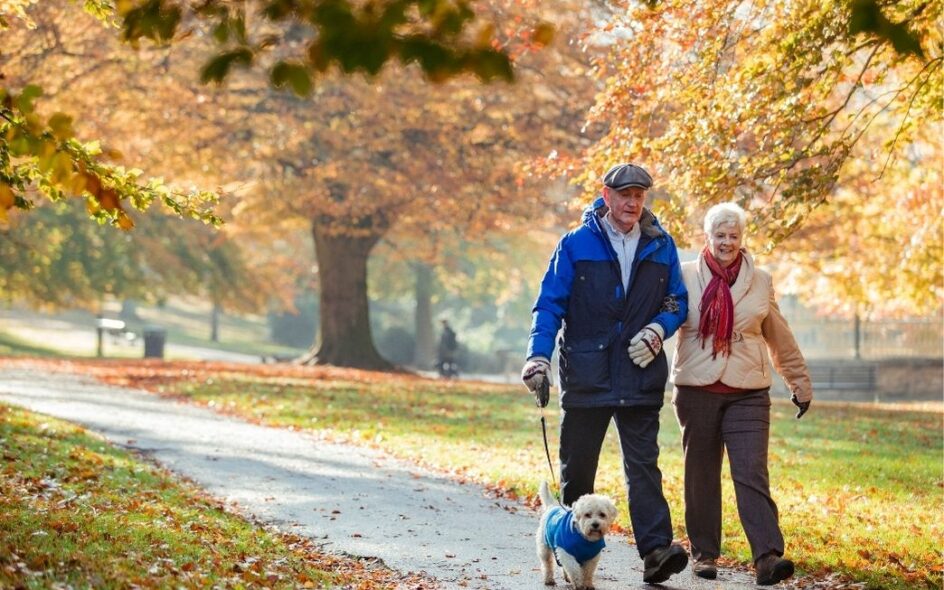
As the leaves begin to change colour and the days grow shorter, autumn often brings its own set of challenges. This year, weather forecasters are predicting a wetter, windier, and more unsettled autumn across the UK, with increased rainfall, stronger storms, and fluctuating temperatures expected throughout the season.
While many of us can adapt to changing weather conditions with relative ease, vulnerable individuals, including older adults, people living with disabilities, those with long-term health conditions, and individuals living alone, can face much greater risks.
Understanding these challenges and preparing early can help ensure that everyone stays safe, comfortable, and connected throughout the autumn months.
Storms and High Winds
Forecasts suggest that the UK could see more frequent storms and periods of high winds this autumn. While severe weather can disrupt daily routines for everyone, it can have a particularly significant impact on vulnerable people.
Power cuts caused by storm damage can be especially concerning for individuals who rely on electrical medical equipment, mobility aids, or home heating systems. Travel disruptions may also affect care visits, family support, and access to essential services.
Strong winds can create hazards around the home too, including fallen branches, damaged fencing, and blocked pathways, increasing the risk of accidents for those with reduced mobility.
How to Prepare:
- Keep emergency contact numbers accessible.
- Ensure mobile phones and essential devices are fully charged when severe weather is forecast.
- Register for Priority Services with utility providers if eligible.
- Secure loose outdoor items that could become dangerous in high winds.
- Maintain regular communication with family members, neighbours, or care providers.

Heavy Rainfall and Flooding Risks
After one of the hottest and driest summers in recent years, experts warn that dry ground may struggle to absorb sudden heavy rainfall. This increases the likelihood of surface water flooding and localised flash floods.
Flooding can have a major impact on vulnerable individuals. Access routes may become blocked, preventing carers, healthcare professionals, or loved ones from reaching those who need support. In some cases, people can become isolated in their homes for extended periods.
Properties affected by dampness or flooding can also experience worsening indoor air quality, which can aggravate respiratory conditions such as asthma, COPD, and other chest problems.
How to Prepare:
- Check local flood alerts and weather warnings regularly.
- Keep an emergency kit with medication, bottled water, torches, and batteries.
- Ensure important documents are stored safely.
- Have a plan for staying in touch with carers and loved ones if travel becomes difficult.
- Report any drainage or flooding concerns to local authorities promptly.
Colder Nights Can Impact Health
Although average temperatures are expected to remain relatively mild, autumn often brings significant temperature fluctuations. Warm afternoons can quickly give way to chilly evenings and cold overnight conditions.
For older people and those living with health conditions, even small drops in temperature can affect wellbeing. Cold and damp environments can contribute to respiratory illnesses, worsen arthritis symptoms, and place additional strain on the cardiovascular system.
Many vulnerable individuals may also delay turning on their heating due to concerns about energy costs, potentially increasing health risks as temperatures begin to fall.
How to Prepare:
- Check that heating systems are working effectively before winter arrives.
- Ensure homes are well insulated and free from draughts where possible.
- Wear layers and keep warm during colder evenings.
- Monitor indoor temperatures and maintain a comfortable living environment.
- Encourage regular wellbeing checks for those living alone.

The Importance of Staying Connected
One of the most overlooked effects of severe weather is social isolation. Heavy rain, storms, and difficult travel conditions can reduce opportunities for social interaction, leaving vulnerable individuals feeling lonely and disconnected.
Regular contact from family members, friends, neighbours, and care professionals can play a vital role in supporting mental wellbeing during periods of poor weather. A simple telephone call, video chat, or visit can make a significant difference.
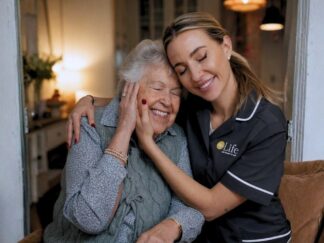
For those receiving home care services, carers not only provide practical support but also offer valuable companionship and reassurance when challenging weather conditions arise.
How Care Providers Can Help
At MyLife Homecare we understand that changing weather conditions can create additional concerns for vulnerable individuals and their families. Our dedicated care teams work hard to ensure continuity of support, helping people remain safe, comfortable, and independent in their own homes whatever the weather may bring.
From well-being checks and medication support to companionship and assistance around the home, professional care can provide invaluable peace of mind throughout the autumn season.
Looking Ahead to Autumn
While no one can control the weather, taking a proactive approach can significantly reduce its impact. By preparing for storms, heavy rainfall, and colder temperatures now, vulnerable individuals and their families can face the autumn months with greater confidence and reassurance.
As the season progresses, staying informed, planning ahead, and keeping connected will be key to ensuring everyone remains safe, healthy, and supported.
If you or a loved one could benefit from additional support at home this autumn, contact our friendly team today to find out how we can help.
Additional Advice:
https://weather.metoffice.gov.uk/warnings-and-advice
https://www.ageuk.org.uk/information-advice/health-wellbeing/keep-well-this-winter/
See Also





Our partners