











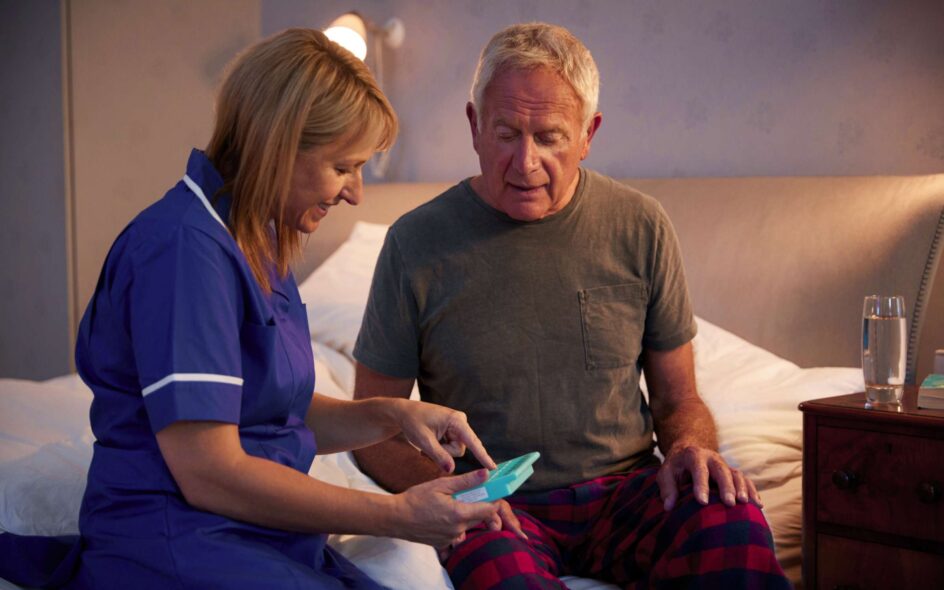
There are many benefits of live-in care for the elderly
Live-in care is a popular choice these days, and many ageing parents are choosing live-in care to get dedicated support and companionship, and there are many benefits of live-in carers for the elderly.
Why Choose Live-In Care?
Many families believe a care home is the only solution, especially when a parent’s needs exceed what visiting home care can provide. Live-in care prevents admission to a care home, delivers all necessary support, and often costs less. Here are some key benefits of live-in care for the elderly:
1. Retaining choice, independence and well-being
Staying at home helps elderly people maintain independence and boosts well-being. A live-in carer enables your loved one to keep doing what they enjoy. On good days, they might prepare lunch themselves; on others, the carer steps in. This flexibility supports achievement and positivity.
2. Staying in your own home and familiar surroundings
Most people prefer the comfort of their own home. Even if downsizing, the environment remains familiar and personal. Home offers warmth, safety, and memories. For those living alone, a safe haven becomes even more important. Moving to a care home often means losing personal belongings and privacy, which can be distressing.
3. Keeping pets
A live-in carer can help to look after pets, ensuring any faithful furry friends are also cared for and can continue being of comfort to your loved one.
4. Having company during the day or night
Many elderly people will wake up during the night, or very early in the morning, and depending on their overall health, they may having a changing routine. A live-in carer will be able to adjust to their routines, and be there to help whenever they are needed.
Older people can also have trouble with feeling fearful in the night when they awaken, or they risk falls in trying to get around the house at night, for whatever reason. A live-in carer can be of immediate comfort and help at these times.
5. One to one dedicated support and early intervention skills
Having one to one support is also a huge benefit of having a live-in carer. A carer who is there just for you, ensuring you are happy and comfortable is like a luxury and it is more affordable than a residential care home, where you are not likely receive 24/7 one to one support.
It also means that any emerging health conditions can be noticed early and treated quickly, preventing more serious health problems. Live-in carers are trained in spotting signs of illness, and keeping their eye on any existing condition for deterioration, and this can save lives.
6. Coping with the loss of a spouse
Being with a husband or wife for most of your life, and then losing them is one of the toughest things to go through. It’s like losing a limb. To lose someone who was always there, whether you were speaking or sitting in peaceful silence each doing your own thing, creates a huge gap, a massive void that can cause a person to spiral into depression with grief.
A live-in carer can ease the loneliness and despair one might face when suddenly left alone this way. Being a source of companionship and someone to talk to and share feelings with, whenever they arise – be that day or night.
7. Keeping elderly couples together
Elderly couples who have spent their lives together, often experience one of them becoming a carer for the other when their health deteriorates, and unfortunately this can cause illness and health problems for the one who is doing the caring too. The option of splitting them up and one being in a care home seems heartless and cruel. Often this happens though, and it causes distress and declining health for them both.
A live-in carer enables the couple to stay together in their own home while being supported. This also enables the couple to spend more quality time together, becoming husband and wife again until their parting days, which is what most people desire.
8. Someone to share the day with
Days can become long and lonely when you are older, especially if you are having difficulty in getting out and about, find it difficult to read, or hear things. Loneliness is bad for our health, and can lead to depression.
A live-in carer can be there to support someone who is less mobile to get out and about more, and also be there to chat about the day over a cuppa. If your loved one has dementia, then their live-in carer can help them with stimulating activities each day.
9. Keeping an existing lifestyle
A live-in carer will design a care and support plan with your love one, ensuring that the plan is designed around what they want to do. Individual lifestyle choices are important, and the aim of the carer will be to enable your loved one to retain their previous standard of living. If there are set routines preferred, the live-in carer will respect this and it will be incorporated into the day.
If your loved one enjoys going shopping once a week, luncheons with the ladies, or golf at the weekends, a live-in carer will enable them to keep doing these things where possible and health permits. The carer can also help to find other things to enjoy to replace anything they are now unable to do.
If you or a loved one is considering a live-in carer, please click here to find out more.
See Also







Our partners